April 20, 2026
Proper maintenance not only guarantees efficient system performance but also reduces energy consumption and prevents costly repairs, and consulting a reliable HVAC contractor can help ensure all systems are properly maintained. Let's delve into the key practices that will keep your HVAC system running smoothly for years to come. By understanding and implementing these practices, homeowners can avoid the hefty expenses associated with replacing an HVAC unit. According to Today's Homeowner, the typical cost of an HVAC installation is between $5,540 and $10,980, which underscores the value of maintaining existing systems.
1. Regular Filter Replacement
A. Understanding Filter Types
One of the most underappreciated components of an HVAC system is the air filter. Various types of filters, such as HEPA, pleated, and fiberglass, cater to different needs and preferences. HEPA filters are renowned for capturing allergens and pollutants with high efficiency. Pleated filters, often made of polyester, provide an excellent balance between cost and performance. Fiberglass filters are the most budget-friendly, but they may not offer the same filtration level as the other types.
B. Determining Replacement Frequency
The frequency of filter replacement can greatly affect your HVAC's efficiency and longevity. A general rule is to replace cheaper fiberglass filters every 30 days, while higher-quality pleated filters can last up to 90 days. How often you replace filters also depends on factors such as pet ownership or living in a dusty area. A clogged filter obstructs airflow, forcing the system to work harder, which can eventually lead to equipment failure. Regular checks and timely replacements can mitigate these risks.
C. Steps to Replace Your Filter
Replacing your HVAC filter is straightforward but crucial for maintaining airflow. First, make sure the system is turned off to prevent any accidents. Locate the filter compartment, which is usually near the intake/outtake blower. Gently remove the old filter, taking note of the airflow direction indicated on it. Insert the new filter in the same orientation, ensuring it fits snugly without bending or folding. Regular recording of this process helps keep your maintenance on schedule.
2. Regular HVAC System Inspections
A. Scheduling Professional Tune-Ups
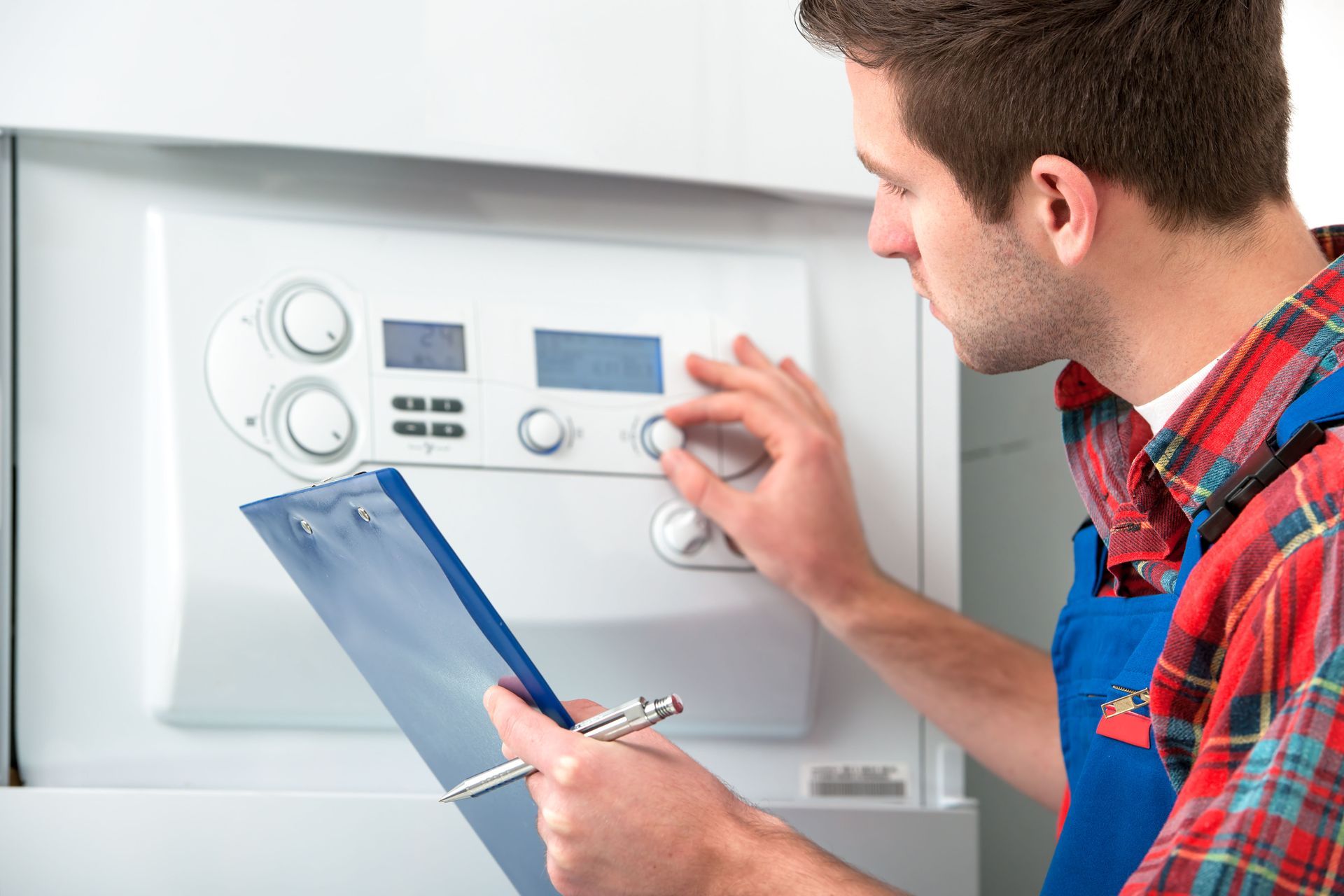
Annual inspections by a qualified HVAC contractor are essential for optimal HVAC performance. During a professional tune-up, technicians check various components, including electrical connections, refrigerant levels, and airflow. These inspections can identify potential issues before they develop into costly repairs. Additionally, a professional tune-up involves cleaning and lubricating moving parts, ensuring efficiency. Investing in yearly inspections enhances system reliability and minimizes unexpected breakdowns.
B. Recognizing Signs That You Need an Inspection
Recognizing the need for an HVAC inspection by a licensed HVAC contractor can prevent small issues from becoming significant. Warning signs include unusual noises like grinding or squeaking, which may indicate worn-out parts. Inconsistent room temperatures or poor airflow can signal duct or filter problems. Spikes in energy bills without a change in usage patterns could also suggest efficiency issues. If you notice frequent cycling or difficulty maintaining a set temperature, an inspection is warranted.
3. Thermostat Management
A. Choosing the Right Thermostat
Your choice of a thermostat can greatly influence HVAC efficiency. Smart thermostats offer technological advantages, including internet connectivity and programmable features. They can adjust the system based on your routines, leading to significant energy savings. Traditional thermostats are simpler but still effective if manual adjustments are consistently made. Choosing the right thermostat involves balancing upfront costs with long-term savings.
B. Optimizing Temperature Settings
Optimizing temperature settings is vital for energy efficiency and comfort. Adjusting temperatures based on specific zones in your home can further enhance efficiency. Small adjustments in thermostat settings can lead to substantial savings on energy bills. Optimal settings reduce strain, enhancing system longevity.
C. How to Calibrate Your Thermostat
Accurate thermostat calibration confirms the system responds precisely to temperature settings. Use a separate thermometer to compare and verify thermostat readings. If discrepancies are noted, consult the manufacturer's guide for calibration instructions. Regularly cleaning and checking wiring can ensure the thermostat functions correctly. Proper calibration reduces unnecessary activation, leading to energy efficiency.
4. Cleaning and Maintaining Outdoor Units
A. Safely Clearing Debris
Outdoor units are susceptible to debris, significantly impacting functionality. Leaves, dirt, and other materials can accumulate around the unit, obstructing airflow. Periodically clear debris using gloves and a hose, ensuring the unit is powered off first. Always maintain a clear area surrounding the unit for efficient operation. Regular clearing helps prevent overheating and maximizes performance. A professional HVAC contractor can perform deeper maintenance when needed.
B. Inspecting and Cleaning Coils
Clean coils are crucial for the efficient operation of your outdoor unit. Dust and grime accumulation can insulate coils, impeding heat exchange. Utilize a brush and gentle cleaning solution to remove debris from coil surfaces. Regular checks and cleaning maintain optimal performance and energy efficiency. Efficient coils reduce system strain and prolong component lifespans.
C. Straightening Bent Fins
Bent fins can obstruct airflow, making it essential to maintain their condition. Specialized fin combs are available to carefully straighten misaligned fins. Always proceed gently to prevent damage while restoring optimal airflow paths. Regular observation and correction of bent fins maintain system efficiency. Proper airflow reduces energy consumption and renders the unit's operation effective.
5. Ensuring Proper Ventilation
A. Identifying Blockages in Vents
Vent blockages hinder airflow, affecting overall efficiency. Regularly inspect vents for visible obstructions such as dust, furniture, or drapes. Use a vacuum or brush to clear vents thoroughly, enhancing airflow. Persistent blockages may indicate duct issues, requiring professional inspection. Ensuring clear vents maintains system efficiency and improves indoor air quality.
B. Balancing Airflow
Balanced airflow is essential for consistent comfort throughout your home. Adjust vent openings in different rooms to regulate temperature and pressure. Monitoring room temperatures lets you identify areas lacking sufficient airflow. If certain rooms consistently differ in temperature, it may indicate ductwork issues requiring attention. Achieving balanced airflow enhances comfort and reduces energy consumption.
6. Dealing with Moisture and Humidity
A. Maintaining Optimal Humidity Levels
Proper humidity levels prevent damage to home structures and health issues. Maintain indoor humidity for optimal comfort and prevention of mold growth. Purchase a hygrometer for accurate humidity monitoring and necessary adjustments. High humidity can lead to condensation issues, while low humidity affects respiratory health and comfort. Use humidifiers or dehumidifiers to manage deviations and maintain balance.
B. Detecting and Addressing Leakages
Leakages in HVAC systems, especially in condensation lines, are a common issue. Regularly inspect these lines for moisture signs, as leaks can lead to severe damage if unchecked. If pooling water or extensive damp areas are noticed, immediate intervention by an experienced HVAC contractor is advised. Often, these problems result from blockages, easily rectifiable with timely cleaning and maintenance. Addressing leakages declines system efficiency, challenges, and structural damages.
C. Using Dehumidifiers
Dehumidifiers effectively manage excessive indoor moisture. Implement them in basements, bathrooms, and other areas prone to high humidity. Get regular maintenance to prevent mold growth within the dehumidifiers themselves. Portable and integrated systems offer flexibility in application throughout the home. Proposed use can significantly enhance air quality, obstruct potential damage, and aid HVAC efficiency.
By following these essential maintenance tips and partnering with a trusted HVAC contractor, homeowners can maximize the lifespan and performance of their HVAC systems. Regular maintenance not only reduces energy costs but also provides a comfortable indoor environment. Taking the time to care for your HVAC system, with guidance from a professional HVAC contractor, allows it to operate efficiently, providing peace of mind and long-term savings. Addressing minor issues before they escalate can prevent the significant expenses involved in system replacement. Ultimately, commitment to these practices yields both financial savings and improved living conditions.
Keep your home comfortable year-round with expert care from Air Pros MA. Schedule your HVAC service today and ensure peak performance and energy efficiency.