Selecting the appropriate climate control solution for your residence is essential for maintaining comfort during the colder months while managing operational expenses. With a wide variety of options available in the U.S., it is important to understand the benefits, costs, and efficiencies of each technology. Whether you are building a new home or upgrading a legacy unit, the specific type of heating you select will significantly impact your household's long-term energy consumption and daily comfort.
Evaluating Forced Air Systems
Forced air units remain a common choice for homeowners across the United States. These systems utilize a furnace to warm air, which is then distributed throughout the home via a network of ducts. These setups are highly valued for their versatility, as the same ductwork can be used for central air conditioning during the summer.
Implementing Radiant Floor Solutions
Radiant systems present a highly efficient alternative, particularly for those who value quiet operation and improved indoor air quality. Instead of blowing air through vents, radiant technology warms the floors directly, which then radiates heat upward. This provides consistent warmth without the drafts or noise associated with traditional blowers.
While these systems can be more energy-efficient over time, the installation process is often complex. This is especially true in retrofitting scenarios where existing flooring must be removed. Homeowners in colder climates often prefer the comfort of warm surfaces, making this an appealing choice for those able to manage the initial installation requirements.
Utilizing Modern Heat Pumps
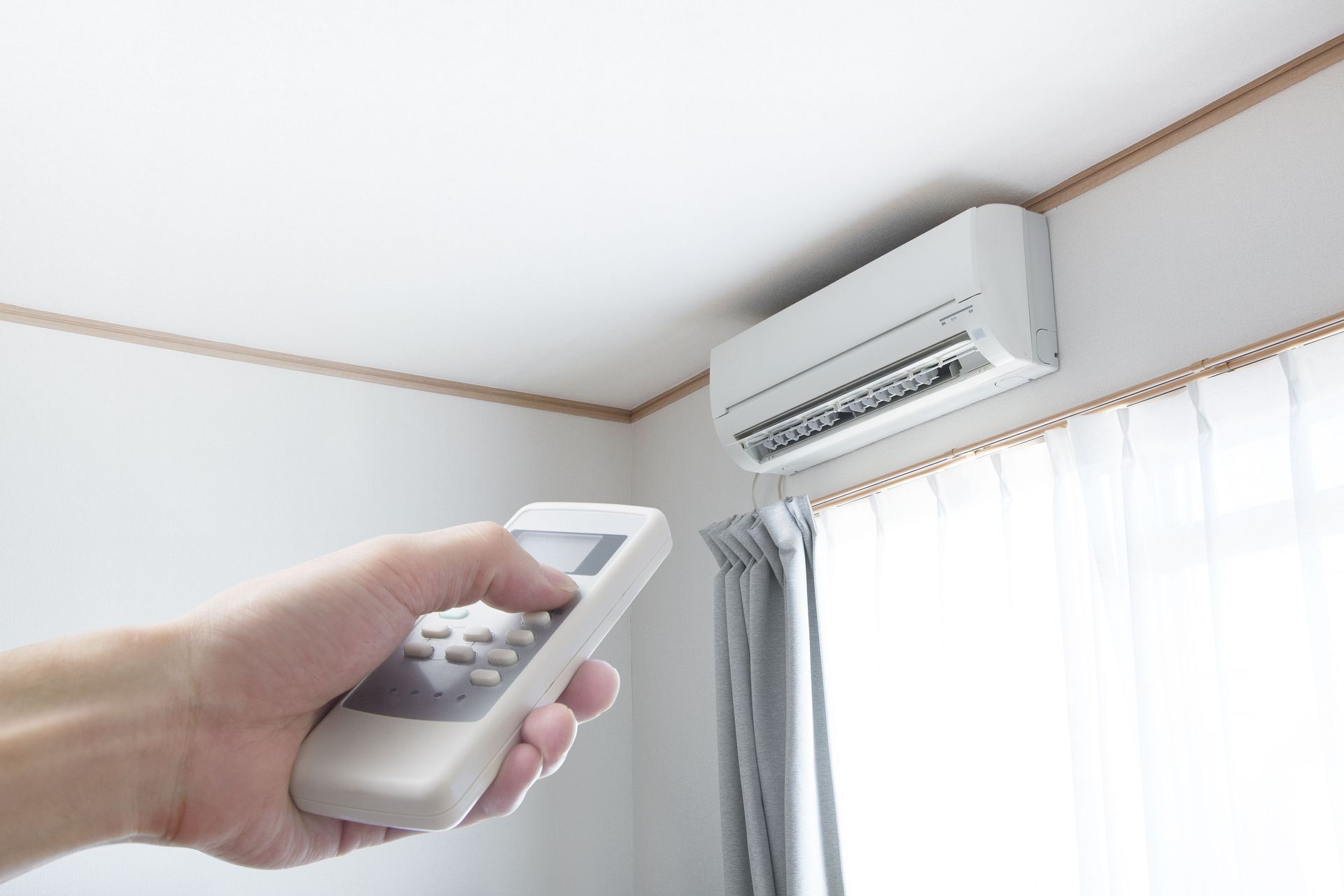
For those seeking a renewable option, heat pumps have gained significant traction due to their environmental benefits. By utilizing the principle of heat transfer rather than combustion, these units can provide both cooling and heating while using a fraction of the electricity required by traditional electric furnaces.
Maximizing System Longevity
Regardless of the technology you choose, professional upkeep is the most important factor in protecting your investment. According to data from This Old House, a standard HVAC unit has a lifespan of approximately 20 years, provided it receives consistent professional maintenance. Regular inspections prevent minor wear from turning into major mechanical failures.
Selecting the right setup requires a careful evaluation of your specific climate, budget, and property layout. If you are ready to upgrade your home's
heating or need a professional maintenance check to extend the life of your unit, contact Air Pros MA today to discuss your options with our experienced technicians.