August 22, 2026
Homeowners invest in upgrades for many different reasons, from improving comfort to protecting expensive fixtures and making everyday routines more convenient. Water quality deserves a place on that list because water is used throughout the home every day. Drinking, cooking, bathing, washing dishes, and doing laundry all depend on a reliable water supply. While municipal and private water sources are generally treated or monitored, the quality of water reaching a home's taps can still be affected by minerals, sediment, odors, or other unwanted substances. Installing water filtration systems can provide an additional layer of treatment based on the specific concerns found in a home's water. A filtration upgrade can also make everyday water use more pleasant while supporting the condition of plumbing fixtures and appliances. Because every household has different water conditions and priorities, homeowners should consider their specific needs before selecting a system. Understanding the potential advantages of filtration can help families decide whether this upgrade makes sense for their property.
Improving Everyday Water Quality
Water quality can have a noticeable effect on many ordinary household activities. Changes in taste, odor, appearance, or mineral content can make otherwise simple tasks less enjoyable. Drinking water is especially important because it is consumed regularly throughout the day. Cooking with better-tasting water may also improve the flavor of beverages, soups, sauces, and other foods. Homeowners who notice unusual odors or visible particles may want to investigate the source rather than simply ignoring the problem. Water filtration systems can be selected to address particular water-quality concerns depending on the source and composition of the household supply. Testing the water before choosing a system can help identify which treatment approach is appropriate. This allows homeowners to make an upgrade based on actual water conditions instead of choosing a product without knowing what needs to be addressed.
Supporting Better-Tasting Drinking Water
The taste of drinking water can influence how willing people are to drink it throughout the day. Some homeowners notice chlorine-like flavors, metallic notes, mineral tastes, or other characteristics that make tap water less appealing. When water tastes better, it may become easier for family members to choose it instead of relying on bottled beverages. Filtered water can also be convenient because it is available directly from the home's plumbing system. Water filtration systems may use different technologies depending on the contaminants or characteristics being targeted. Activated carbon, sediment filtration, reverse osmosis, and other treatment methods each have different purposes and capabilities. Choosing the right technology requires understanding what is actually present in the water. A professional can help homeowners determine which type of treatment is appropriate for their specific water-quality concerns.
Reducing Unwanted Odors and Sediment
Unpleasant smells or visible particles can make homeowners question the quality of their tap water. Sediment may enter a water supply from various sources and can sometimes become noticeable at faucets or fixtures. Certain odors may also be associated with substances present in the water or with conditions within a home's plumbing system. Identifying the underlying cause is important because filtration should be selected according to the specific issue being addressed. Water filtration systems can incorporate different stages of treatment to target sediment, odors, or other unwanted characteristics. A properly selected filter can help improve the appearance and overall experience of household water. However, filtration should not be viewed as a universal solution for every water problem. Professional testing and evaluation can help determine whether filtration is appropriate or whether another form of treatment is necessary.
Protecting Plumbing Fixtures and Appliances
Water quality can affect more than what comes out of the faucet. Minerals and sediment may accumulate inside plumbing components, faucets, showerheads, and appliances that regularly use water. Over time, deposits can affect performance and make cleaning more difficult. Appliances such as washing machines, dishwashers, coffee makers, and water heaters can also be exposed to the characteristics of the incoming water supply. Reducing certain unwanted substances before they move throughout the home's plumbing may help minimize buildup and related maintenance concerns. Water filtration systems can be designed to treat water before it reaches specific fixtures or throughout the entire property. The appropriate installation depends on the homeowner's goals and the characteristics of the water supply. Addressing water quality proactively can help homeowners take better care of equipment that depends on a consistent supply of usable water.
Creating a More Convenient Alternative to Bottled Water
Many households rely on bottled water because they prefer its taste or want greater confidence in the water they drink. However, purchasing, transporting, storing, and disposing of bottles can become a recurring household responsibility. A filtration system can provide treated water directly from the home's plumbing, creating a convenient alternative for everyday use. This can be particularly helpful for families that consume significant amounts of drinking water. Water filtration systems can also provide filtered water for cooking and preparing beverages without requiring homeowners to keep large quantities of bottled water available. The convenience of having treated water at home can make hydration easier to incorporate into daily routines. Homeowners can also select reusable bottles and containers rather than depending exclusively on single-use packaging. For households looking to simplify their water routine, filtration can be a practical improvement worth considering.
Supporting Greater Household Confidence
Homeowners naturally want to feel comfortable with the water they use every day. Even when a water supply meets applicable standards, people may still have concerns about taste, odor, sediment, or specific substances. Testing can provide useful information about the characteristics of the water and help identify areas that may benefit from additional treatment. According to NSF.org, consumer research found that 77% of people who purchased water filtration products said they would recommend a filtration system to a friend. This finding reflects the positive experience many consumers report after adding filtration to their homes. Water filtration systems can be selected around individual concerns rather than taking a one-size-fits-all approach. Knowing what the system is designed to address can also give homeowners a clearer understanding of its purpose. Professional guidance can make the process easier by helping property owners interpret water-testing results and identify suitable treatment options.
Choosing the Right Filtration Approach
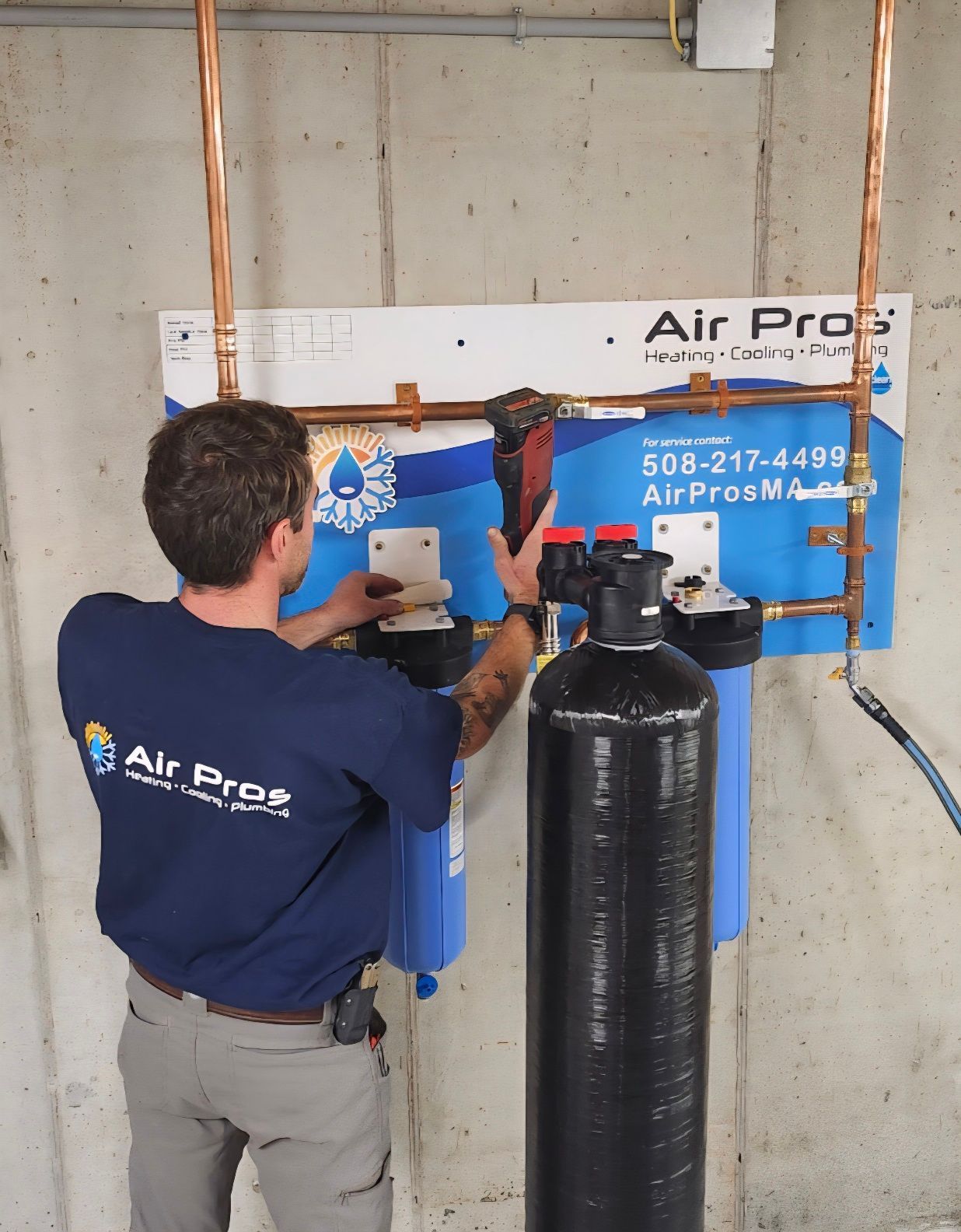
Not every filtration system is designed to address the same water-quality concerns. Some filters focus primarily on sediment, while others are designed to reduce particular chemicals, minerals, odors, or other substances. Whole-house systems treat water as it enters the property, while point-of-use options focus on individual faucets or appliances. The best choice depends on the source of the water and the issues identified through testing. Homeowners should consider factors such as household size, water consumption, maintenance requirements, available installation space, and desired treatment level. Water filtration systems should also be maintained according to the manufacturer's recommendations to preserve their effectiveness. Filters that are neglected or replaced too infrequently may not perform as intended. Consulting with a qualified professional can help homeowners select equipment that fits their water conditions and household needs.
Making Water Treatment Part of Home Maintenance
Like other home systems, filtration equipment requires regular attention to continue working properly. Filter cartridges may need replacement, tanks may require inspection, and certain systems may need additional service over time. Homeowners should understand the maintenance schedule before installing any treatment equipment. Keeping up with recommended service can help maintain consistent performance and prevent avoidable problems. Water filtration systems should also be inspected if homeowners notice changes in water taste, odor, pressure, or appearance after installation. These changes may indicate that a filter needs replacement or that another issue requires investigation.
Water filtration systems can therefore become an important part of a broader approach to maintaining a comfortable and functional home. The key is selecting equipment that addresses the actual characteristics of the property's water rather than purchasing a system based solely on general claims. Professional evaluation can help homeowners understand their options and avoid unnecessary equipment. Air Pros MA can help you explore water treatment options suited to your home's needs and determine the right approach for improving your household water, so contact the company today to discuss your filtration needs and get started.