October 7, 2026
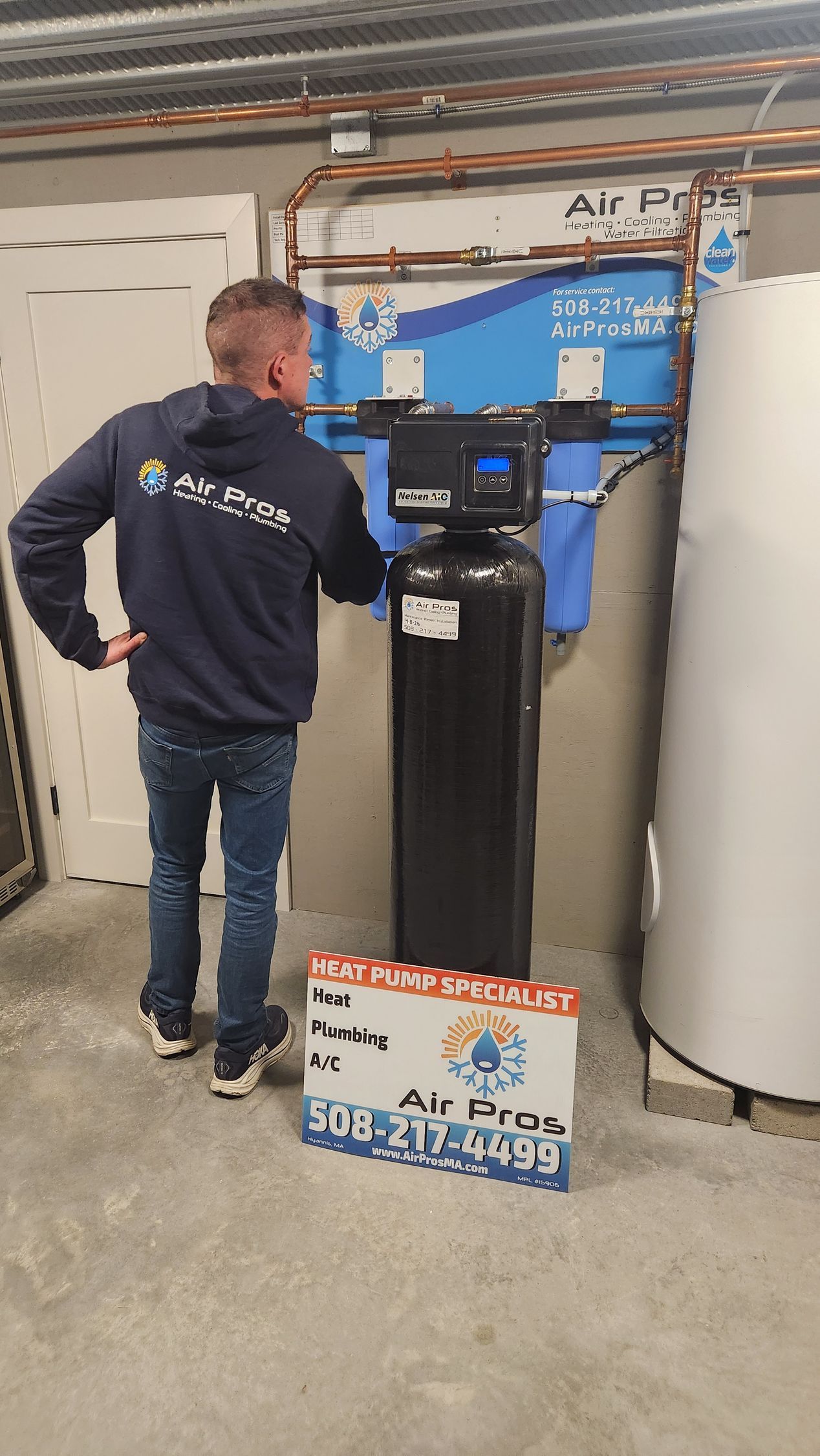
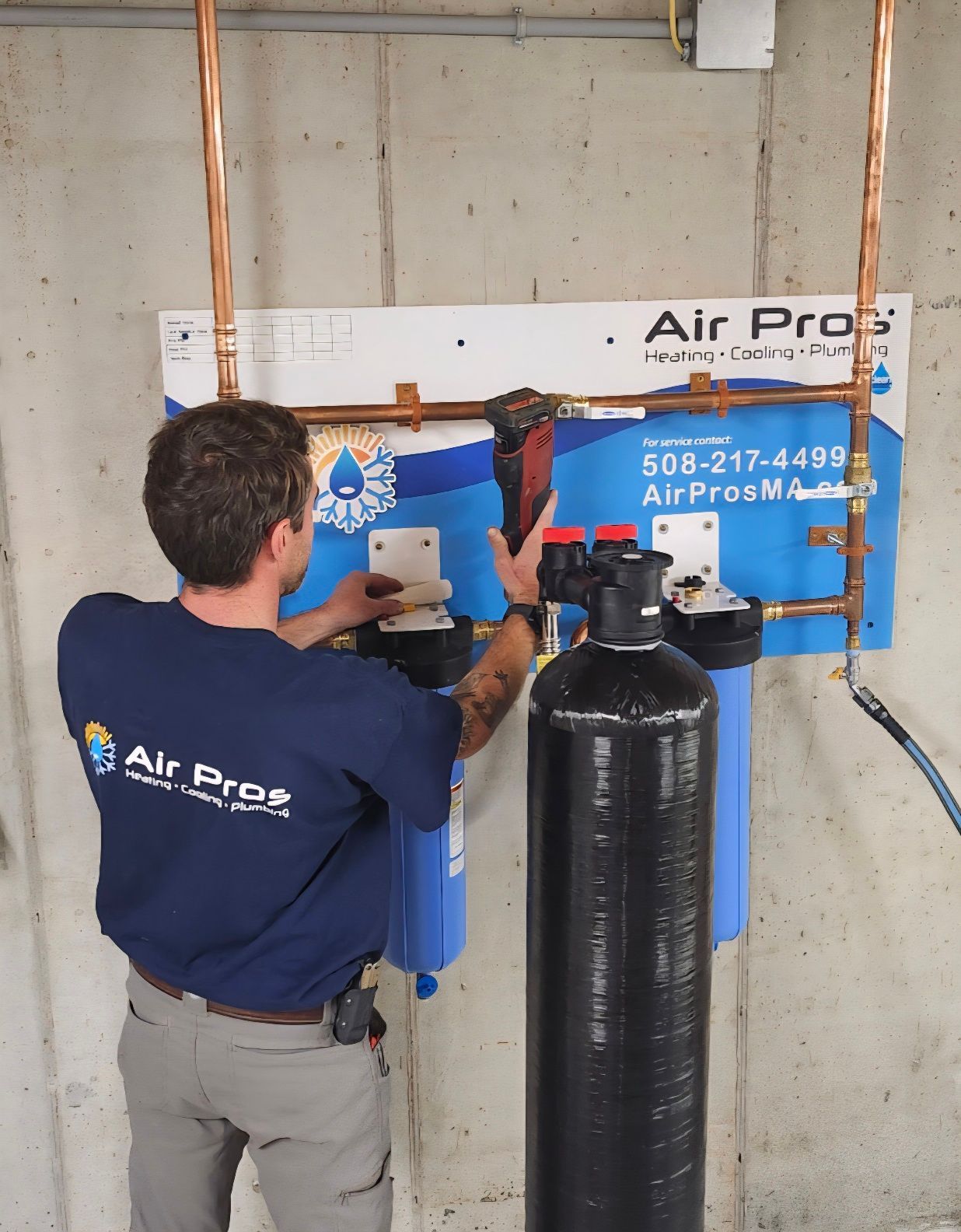
Clean water is essential for drinking, cooking, bathing, and completing everyday household tasks. However, water that looks clear and tastes normal may still contain substances that affect its quality, leaving homeowners unaware of potential concerns. Changes in plumbing conditions, mineral concentrations, and treatment processes can influence the water coming from household faucets. Some issues create visible signs, while others require testing or specialized equipment to identify. Understanding these concerns helps homeowners make informed decisions about protecting their water supply and maintaining household plumbing. A properly selected water filtration system can address certain contaminants and improve water quality when matched to the specific problem. Recognizing the most common hidden issues is an important first step toward choosing appropriate solutions.
Recognizing Unusual Mineral Concentrations
Minerals naturally occur in water as it moves through soil, rock, and underground formations. Calcium and magnesium are two common minerals that contribute to hard water, which can leave deposits on faucets, showerheads, and other plumbing fixtures. Homeowners may also notice cloudy spots on glassware, soap that does not lather easily, or residue on bathroom surfaces. Although hardness is generally not considered a health concern by itself, mineral buildup can affect cleaning routines and household equipment. A water filtration system designed for the home's specific conditions may help address selected water quality concerns, although conventional filters do not necessarily remove hardness minerals. Water softeners are often more appropriate when calcium and magnesium are the primary issue. Testing can help determine whether mineral concentrations are responsible for visible deposits or other household inconveniences. Understanding the source of the problem makes it easier to select equipment that delivers meaningful results.
Identifying Unwanted Taste and Odor Changes
Changes in water taste or smell can indicate an issue that deserves further investigation. Some homeowners notice a chlorine-like odor, a metallic taste, or an earthy smell when using kitchen and bathroom faucets. Chlorine is commonly used to disinfect public drinking water, and its presence may be noticeable even when water meets applicable standards. Metallic tastes can sometimes be associated with plumbing materials, corrosion, or naturally occurring substances in the supply. Installing a water filtration system with the appropriate media may reduce certain taste and odor concerns, depending on their cause. However, filtration should not replace testing when the source of an unusual change is unknown. Sudden changes, especially those affecting multiple faucets, should be reported to the water utility when appropriate. Paying attention to these warning signs helps homeowners investigate potential problems before choosing a treatment method.
Understanding Potential Contaminant Exposure
Not every water quality concern can be identified through appearance, smell, or taste. Certain contaminants, including lead, arsenic, and some other dissolved substances, may be present without creating noticeable changes in household water. Their presence depends on factors such as the water source, local geology, treatment processes, and plumbing materials. According to Cognitive Market Research, the United States accounted for 25.30% of the global home water filtration system market in 2025, making it the largest individual country market. This market position reflects substantial demand for household filtration products, but it does not establish that a particular home's water is contaminated. Homeowners should use appropriate laboratory testing or consult their water utility to understand which contaminants may be relevant to their supply. A water filtration system should then be selected according to verified results and its documented ability to reduce the substances identified. Checking product certifications and following maintenance instructions are also important for ensuring that treatment equipment performs as intended.
Detecting Plumbing Corrosion and Pipe Problems
The condition of household plumbing can influence water quality before water reaches a faucet. Older pipes, deteriorating fittings, and corroded components may introduce unwanted materials into the water or affect its appearance. Rust-colored water, blue-green staining, or recurring metallic tastes can sometimes signal corrosion, although these signs do not identify a specific contaminant on their own. Homeowners should investigate persistent discoloration rather than assuming that a filtration product will solve the underlying problem. A water filtration system may reduce certain substances when appropriately designed, but damaged or deteriorating pipes may require professional inspection or replacement. Water that has been sitting in plumbing for an extended period can also differ from water that has recently flowed through the pipes. If lead plumbing components are a possibility, testing is especially important because lead exposure cannot be reliably detected through taste or appearance. Addressing the plumbing source and choosing suitable treatment measures can help protect long-term water quality.
Evaluating Chlorine and Disinfection Byproducts
Public water suppliers commonly disinfect drinking water to reduce the risk of waterborne illnesses. Chlorine helps control harmful microorganisms, but its taste and smell can be unpleasant for some households. Disinfection byproducts may also form when disinfectants react with naturally occurring organic matter in water. The types and concentrations present depend on treatment practices and water conditions, so homeowners should consult available water quality reports for relevant information. A water filtration system containing activated carbon may reduce chlorine taste and odor and can reduce certain disinfection byproducts when the product is specifically designed and certified for that purpose. Not every filter provides the same level of protection, making product specifications an important part of the selection process. Homeowners using private wells should follow appropriate testing recommendations because private supplies do not receive the same routine municipal monitoring. Understanding how disinfection works helps households distinguish normal treatment characteristics from concerns that require further investigation.
Managing Sediment and Suspended Particles
Sediment can enter a water supply through several pathways, including disturbed water mains, well conditions, and deteriorating plumbing components. Fine particles may appear as cloudiness, floating material, or deposits that collect in faucet aerators and appliance screens. Although some sediment is mainly an aesthetic concern, its presence can also indicate a problem that deserves closer attention. A sediment filter may capture suspended particles before they reach household fixtures and equipment. However, a water filtration system intended for sediment removal may not address dissolved chemicals, microorganisms, or other invisible contaminants. Selecting the correct filter depends on particle size, water flow, and the source of the material. Homeowners should investigate sudden or persistent sediment, particularly when the water supply changes unexpectedly. Routine inspection and timely filter replacement help prevent collected particles from reducing system performance.
Preventing Biofilm and Microbial Concerns
Microbial water quality issues require particular attention because contaminated water can create health risks. Bacteria and other microorganisms may enter private wells through environmental pathways or affect plumbing systems under certain conditions. Biofilm can also develop on moist surfaces inside plumbing components and water-related equipment, although its presence does not automatically mean drinking water is unsafe. Private well owners should arrange regular testing and additional testing after flooding, repairs, or other events that could affect the supply. A water filtration system is not automatically effective against microorganisms, and ordinary sediment or carbon filters may not provide disinfection. Treatment options must match the identified risk and may include appropriately designed disinfection systems. Homeowners should follow guidance from qualified water professionals and public health authorities when microbial contamination is suspected. Testing and suitable treatment are more reliable than judging safety based on water appearance alone.
Hidden water quality issues are not always obvious, which makes testing, routine observation, and appropriate treatment important parts of home maintenance. Mineral deposits, unusual odors, sediment, plumbing corrosion, and potential contaminants can each require a different response. Choosing equipment based on verified water conditions is more effective than assuming one product will address every concern. Air Pros MA can help homeowners explore suitable water treatment options for their household needs. Contact us to discuss your water quality concerns and determine the next steps toward a more informed approach to home water treatment.